Missouri City Dispatch · Fill & Soil
Common Fill Delivery in Missouri City, TX
Coordinate bulk common fill delivery for Missouri City grading and site balancing projects. Available source options are reviewed for the requested Missouri City delivery, matching your quantity, site access, and earthwork plans with the right truck and operator.
Local Logistics
Missouri City Common Fill Delivery Logistics
Missouri City common fill requests involve bulk material coordination for site balancing, low-area filling, and general grading work where engineered soil properties are not required. Dispatch reviews the grading volume against available source options to organize efficient hauling cycles.
Because jobsites vary from narrow residential lots requiring careful maneuvering to expansive commercial properties with open staging, we review the actual address to confirm access, turnaround room, and overall transportation efficiency before scheduling your delivery.
Missouri City requests span Fort Bend and Harris counties and may involve property development, commercial or residential construction, material import, and grading.
Common Fill Requests in Missouri City
Common fill is used for general fill, grade-building, site balancing, and raising low areas in landscapes or civil projects. It provides bulk volume but lacks the controlled engineering properties of select fill, making it unsuitable for structural pads unless explicitly approved.
When requesting delivery, identify the general grading purpose so the requested material can be compared with areas requiring specific compaction or drainage characteristics.
Source Variation and Project Acceptance
Available common fill source options produce material with varying composition, moisture levels, clay content, and debris tolerance. It does not have universal engineered properties, and its consistency can fluctuate based on weather and extraction methods.
Let dispatch know if you have restrictions on clods, roots, or moisture, or if the fill requires defined material controls. Project acceptance of common fill depends on the source and your site's grading requirements.
Planning Common Fill Volume
Estimating common fill volume requires evaluating the grading plan, the area to be filled, and the depth of the required lift. Loose trucked volume will differ from placed and compacted volume, meaning you generally need more cubic yards of loose dirt than the exact measured void.
While our load calculator can provide a transportation estimate, the final quantity depends on field conditions and settling. We coordinate bulk volume deliveries requiring multiple trucks as well as smaller grading runs for specific site corrections.
Missouri City Jobsite Access for Fill Delivery
Delivering common fill in Missouri City often involves navigating unpaved construction entrances, soft ground, and variable access constraints that can change daily with weather. We need to know the condition of the entry path, available turnaround space, and the stability of the dump zone.
We also review queueing space if multiple trucks are discharging in rotation, ensuring that the hauling cycle matches the pace of the bulldozers or excavators managing the material on site without causing traffic backups.
Describe the construction or finished-property approach, turning and queue space, dump zone, and access constraints at the actual address.
Dump Trucks for Common Fill
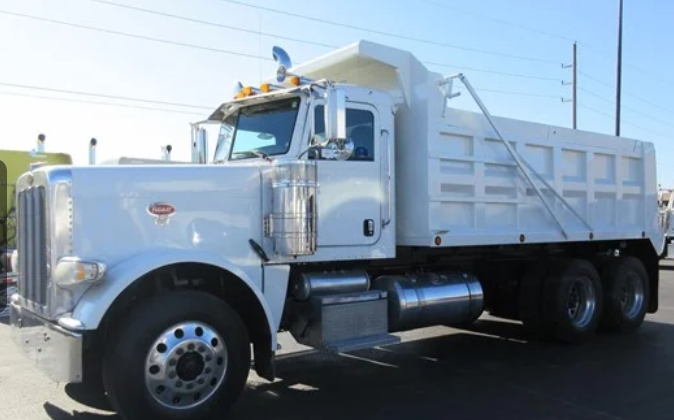
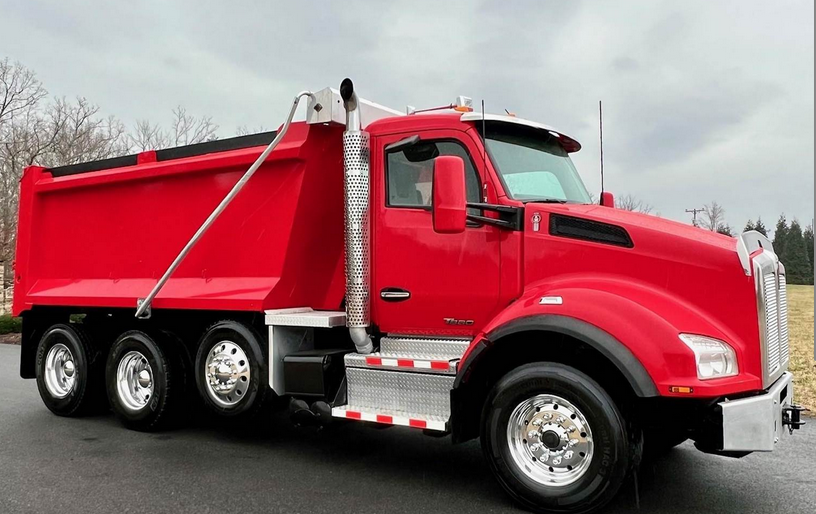
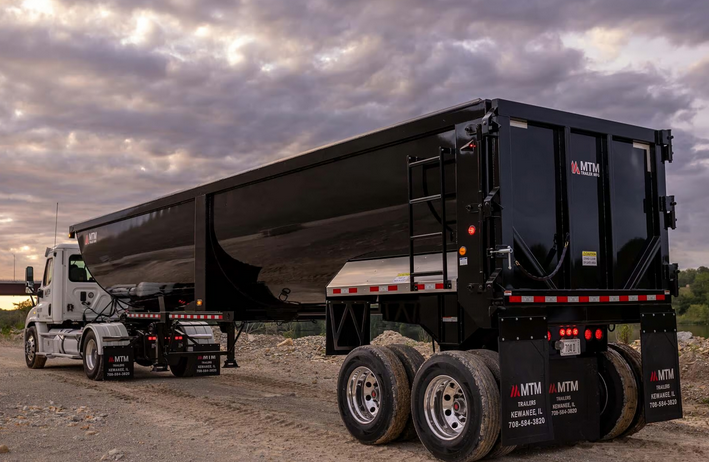
Common fill delivery often utilizes tandems, tri-axles, and end-dump trailers depending on the site openness, ground stability, and total volume. Large open sites with firm ground can leverage the volume efficiency of end-dump trailers.
Residential or restricted sites typically require rigid tandems or tri-axles for safe dumping. The truck is carefully matched to your specific property constraints, legal payload limits, and the most efficient hauling configuration for the required distance.
Missouri City deliveries are planned around quantity, grading sequence, placement pace, legal payload, and available receiving space across the two-county service area.
Common Fill Delivery Pricing Factors
Delivered common fill pricing in Missouri City depends on the source material availability, the required quantity, and the haul distance from available source options to your site. Because common fill is often a low-cost bulk material, transportation forms a significant part of the overall pricing.
Pricing also factors in the assigned truck configuration, loading time, site access constraints, and the overall efficiency of the haul cycle, including potential wait times or queueing delays at the jobsite.
Request a Common Fill Quote
To quote your common fill delivery, dispatch needs the Missouri City jobsite address, the required cubic yards, and details about the intended grading application.
Let us know about access constraints, the receiving crew's pace, and scheduling options. Providing clear details about the dump zone and turnaround space allows us to confirm available source options and account for loading, access, and receiving conditions.
Related Missouri City Materials
Nearby Common Fill Delivery
Local Logistics FAQ